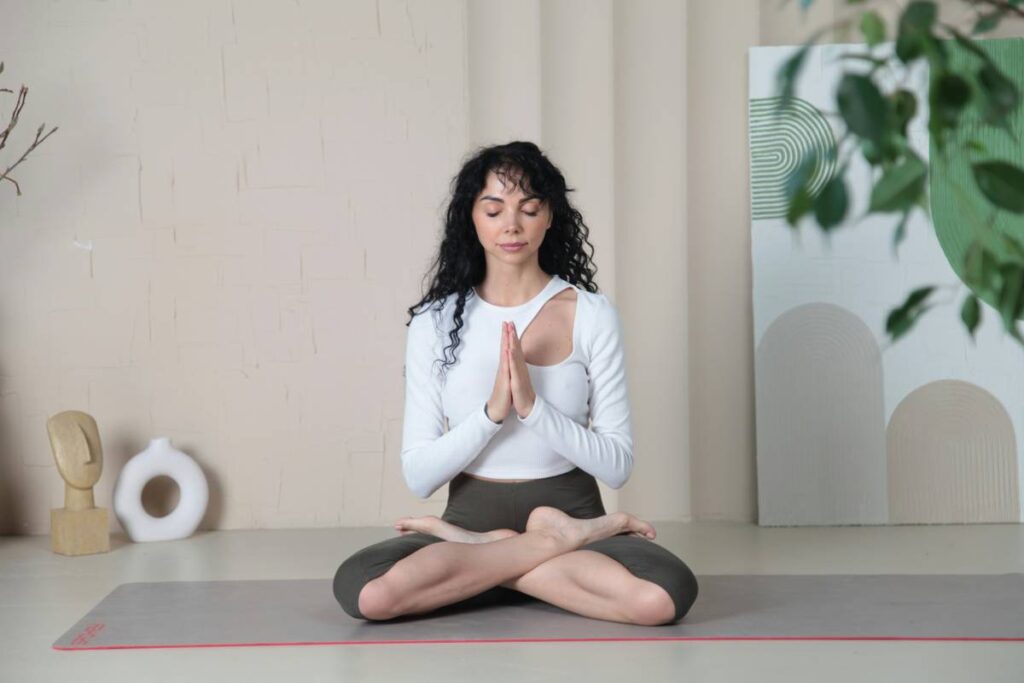
Most people treat breathing like background noise—automatic, forgettable, unimportant. But shallow, inefficient breaths starve your cells of oxygen, sap energy, and silently sabotage weight loss. The fix isn’t another fad diet or exhausting cardio session. It’s a targeted boost lung health exercise routine that reprograms how you inhale, exhale, and live.
Why Cardio Alone Fails Your Lungs
Running on a treadmill won’t magically expand your lung capacity if your breathing mechanics are broken. You can sweat buckets and still move air only in the upper chest—leaving 70% of your lung tissue untouched. And that’s the trap. Traditional fitness ignores diaphragmatic engagement, rib cage mobility, and CO2 tolerance—the real levers of respiratory efficiency. So you gasp harder but gain little functional improvement. No wonder progress stalls.
Your Step-by-Step boost lung health exercise Protocol
This isn’t yoga. It’s not meditation. It’s biomechanical retraining backed by pulmonary rehab science—but stripped of jargon and complexity.
Belly Breathing (Diaphragmatic Activation)
Lie flat. One hand on chest, one on abdomen. Inhale slowly through the nose—feel only the belly rise. Exhale longer through pursed lips. Do this 5 minutes daily. Goal: Train your diaphragm to do the work—not your neck muscles.
Pursed-Lip Breathing for CO2 Tolerance
Inhale quietly through the nose for 2 seconds. Exhale gently through tightly pressed lips for 4–6 seconds. Repeat 10 cycles. This slows breathing rate, reduces air trapping, and improves gas exchange. Critical for anyone feeling “winded” after stairs.
Box Breathing (Respiratory Rhythm Reset)
Inhale 4 sec → Hold 4 sec → Exhale 4 sec → Hold 4 sec. Repeat 5 rounds. Navy SEALs use this to manage stress. You’ll use it to reset erratic breathing patterns tied to anxiety—and yes, even emotional eating.

| Technique | Daily Time Commitment | Noticeable Results Timeline | Best For |
|---|---|---|---|
| Diaphragmatic Breathing | 5–10 minutes | 3–7 days | Beginners, chronic shallow breathers |
| Pursed-Lip Breathing | 3–5 minutes | Immediate (acute relief) | Asthma, post-exertion recovery |
| Box Breathing | 4–8 minutes | 1–2 weeks | Stress-induced breathlessness, sleep quality |

The Industry Secret: Lung Elasticity > Lung Volume
Here’s what pulmonologists won’t tell you in waiting rooms: expanding total lung capacity is nearly impossible after adolescence. But improving elastic recoil? That’s where the magic lives. Your lungs aren’t balloons—they’re sponges. And like any sponge, they lose springiness with age, pollution, and sedentary habits. The secret? Controlled breath holds after exhalation. Not long enough to panic—just enough to create slight vacuum tension. This gently stretches alveolar tissue, enhances surfactant production, and boosts oxygen diffusion efficiency. Do it 3x/week after your diaphragmatic session. You’ll feel lighter within days.
Frequently Asked Questions
Can breathing exercises help with weight loss?
Indirectly, yes. Better oxygen delivery improves mitochondrial fat-burning efficiency. Plus, controlled breathing lowers cortisol—curbing stress-driven snacking.
How soon will I feel less short of breath?
Many notice calmer breathing within 48 hours. Significant functional gains typically appear in 2–3 weeks of consistent practice.
Do I need special equipment?
No. Just your lungs, awareness, and 5–10 minutes daily. Skip the expensive “breathing trainers”—your physiology responds best to subtle, natural resistance.