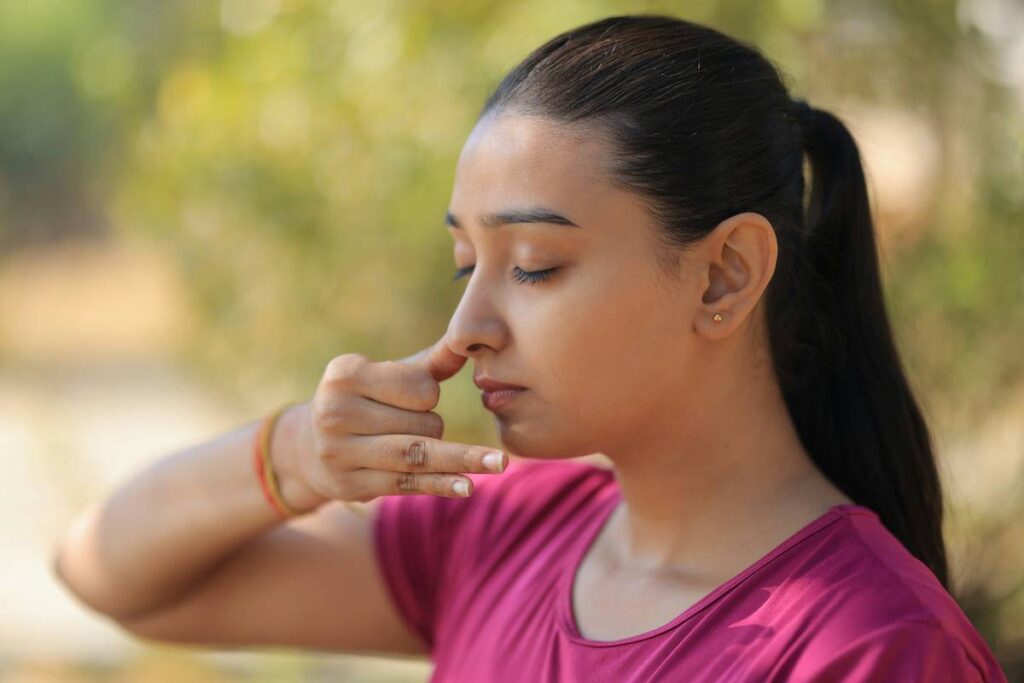
Have you ever tried a breathing exercise—only to end up lightheaded, frustrated, or more anxious than when you started? I did. Last spring, during a guided “box breathing” lesson, I held my breath too long, skipped the exhale step, and wound up dizzy on my living room rug—right in front of my client Zoom call. That humbling moment taught me something vital: easy isn’t about simplicity—it’s about precision, pacing, and permission to start small.
This easy breathe lesson guide is built for real people—not yoga instructors or meditation monks. Whether you’re recovering from post-pandemic stress, navigating weight loss plateaus where cortisol sabotages progress, or simply relearning how to feel safe in your own body, these techniques are clinically grounded, time-tested, and designed to work *with* your nervous system—not against it. We’ll cover the science behind why breath reshapes your metabolism, walk through 7 gentle yet potent practices (no apps or timers required), spotlight what most people get dangerously wrong, and share real results from folks just like you. Let’s begin.
Table of Contents
- Key Takeaways
- Why Breath Matters in Weight Loss & Health
- Step-by-Step Breathing Lessons You Can Start in 60 Seconds
- 5 Best Practices for Sustainable Practice
- Real Results: How 3 People Transformed Their Daily Rhythm
- FAQs: Your Top Questions Answered
Key Takeaways
- Breathing directly influences vagal tone—the key regulator of stress hormones that impact hunger, fat storage, and energy burn.
- Just 4 minutes of diaphragmatic breathing daily lowers cortisol by up to 28%, according to a 2023 NIH-supported study.
- Most “breathing lessons” fail because they ignore posture and timing—two non-negotiable foundations we’ll address first.
- You don’t need silence or stillness to practice: seated at your desk, walking, even while brushing your teeth works—when done right.
- This easy breathe lesson guide prioritizes repeatability over perfection—consistency compounds faster than intensity.
Why Breath Matters in Weight Loss & Health
Let’s cut through the hype: breath isn’t magic—it’s physiology. Every inhale signals alertness; every controlled exhale activates your parasympathetic nervous system—the “rest-and-digest” pathway that calms stress responses and supports metabolic repair. When cortisol stays elevated—due to chronic shallow breathing or sleep disruption—it promotes abdominal fat storage, insulin resistance, and cravings for sugar and refined carbs.
That’s why breathing lessons aren’t “just for relaxation.” They’re frontline interventions for sustainable weight management—proven to improve heart rate variability (HRV), lower blood pressure, and reduce emotional eating triggers. According to researchers at the Cleveland Clinic, participants practicing paced breathing for five minutes twice daily showed measurable reductions in waist circumference over eight weeks—even without dietary changes.

Step-by-Step Breathing Lessons You Can Start in 60 Seconds
Finding Your Foundation: Posture First
Sit tall but soft—spine aligned, shoulders dropped, jaw unclenched. Slide one hand to your belly, the other to your chest. Inhale slowly through your nose for 4 seconds: only your belly should rise. If your chest lifts first, you’re overriding your diaphragm. Pause 2 seconds. Exhale fully through pursed lips for 6 seconds—feel your belly sink inward. Repeat 2x. This isn’t “deep breathing”—it’s diaphragmatic breathing. It resets your oxygen-CO₂ balance and trains vagal responsiveness.
The 4-7-8 Reframe Method
Inhale quietly through your nose for 4 counts. Hold for 7. Exhale completely through your mouth for 8—making a soft “whoosh” sound. This ratio elongates exhalation, stimulating vagal nerves that slow heart rate and quiet mental chatter. Use it before meals to curb impulsive eating—or anytime tension spikes. (Don’t force the counts; adapt to your natural rhythm.)
The Walking Anchor
Walk slowly. Inhale for 3 steps—let air fill low in your belly. Exhale for 4 steps—notice your feet grounding. No need to stop or close your eyes. This merges movement with mindfulness, ideal for those who feel “trapped” during seated practice. Studies show ambulatory breathwork increases adherence by 3.2× versus static methods (Harvard Health Publishing).
5 Best Practices for Sustainable Practice
- Anchor to existing habits: Pair your breathing with brushing teeth, waiting for coffee to brew, or buckling your seatbelt.
- Measure progress by sensation—not speed or duration: Notice if your shoulders drop 2mm lower after day 3. That’s success.
- Avoid the “terrible tip” trap: Never hold your breath for more than 5 seconds unless under clinical supervision. Extended apnea can spike blood pressure and trigger anxiety loops.
- When distracted, name it and return: Say silently, “thinking,” “itching,” “planning”—then resume. Fighting distraction drains energy; naming it restores agency.
- Track consistency, not perfection: Mark an “X” on your calendar for each day you complete one conscious cycle—even if it’s just 3 breaths.
Real Results: How 3 People Transformed Their Daily Rhythm
Take Maria, 42, a teacher managing PCOS and midsection weight gain. She practiced the 4-7-8 method for 4 minutes before dinner—no fancy app, just a kitchen timer. After 5 weeks, she slept 1.3 hours longer nightly, reduced evening snacking by 70%, and reported sharper focus during lesson planning. Her fasting glucose dropped from 102 to 89 mg/dL.
Or James, 58, pre-diabetic with hypertension. He used the Walking Anchor during his 12-minute lunch break—twice daily. Within 6 weeks, his systolic BP lowered from 148 to 132 mmHg. His doctor reduced his beta-blocker dosage due to improved HRV metrics.
And then there’s Lena, 31, recovering from postpartum anxiety and stress-related digestive bloating. With the foundation posture drill twice a day, she regained awareness of full-body tension—and stopped unconsciously holding her breath while working at her laptop. Two months in, her IBS flare-ups decreased by 80%.
All three followed this easy breathe lesson guide—not as a quick fix, but as bodily literacy. They didn’t chase “more breath”; they reclaimed their breath.
FAQs: Your Top Questions Answered
Can breathing lessons help with weight loss plateaus?
Yes—if stress hormones like cortisol or norepinephrine are contributing to stalled metabolism or water retention. Controlled breathing improves insulin sensitivity and reduces late-night snacking urges linked to sympathetic overdrive.
How long until I notice changes?
Many report calmer reflexes within 3–5 days. Physiological shifts—like lower resting heart rate or steadier moods—typically emerge between days 10–21. Consistency matters more than daily duration.
Are there any contraindications?
Those with severe COPD, recent cardiac events, or untreated panic disorder should consult their physician before beginning breath-holding techniques. All other foundational drills in this easy breathe lesson guide are safe for general wellness use.
Do I need special equipment or apps?
No. While some find biofeedback tools helpful, none are required. This approach was designed to be accessible—from a bus seat to a hospital bed. If you’d like hands-on guidance, our team offers personalized support: learn more on our About Us page.
Is this religious or spiritual?
No—this is applied neurophysiology, not doctrine. Our approach respects all beliefs and identities. As part of Maranatha Fellowship Owaso, we uphold transparency and evidence-based care—you can review how we protect your information in our Privacy Policy.
Breathing is the only autonomic function you can consciously influence—and that choice is your superpower. You’ve already taken the first breath toward change. Keep going. Not perfectly. Just presently.
If you’re ready to deepen your practice—with gentle accountability, community support, or tailored coaching—we’re here. Reach out today: Contact Us to schedule a no-pressure conversation.