
You’ve counted calories, tracked macros, and even tried intermittent fasting—but the scale won’t budge. And worse, you feel exhausted, not energized. Here’s the uncomfortable truth: most weight loss protocols ignore how you breathe. Poor airflow doesn’t just limit oxygen—it hijacks metabolism, disrupts sleep, and spikes cortisol. The solution? Precision breathing practices backed by measurable Airflow Success Metrics that tell you whether your lungs are working for you—or against you.
Why Traditional Breathing Advice Fails Dieters
“Just take deep breaths.” Sounds simple—until you realize most people overbreathe without knowing it. Chronic mouth breathing, shallow chest inhalations, and erratic patterns sabotage autonomic balance. This dysregulation directly impedes fat oxidation. Worse, fitness influencers push “box breathing” or Wim Hof methods as universal fixes—ignoring individual respiratory chemosensitivity. One size doesn’t fit all. And if your CO₂ tolerance is low (which 78% of overweight adults struggle with, per unpublished pulmonary rehab data), aggressive techniques can worsen metabolic inflexibility.
How to Track & Optimize Your Airflow for Fat Loss
Forget guesswork. Real progress starts when you measure. These steps integrate clinical-grade breathing assessment into everyday wellness routines—no lab required.
Measure Baseline Airflow Efficiency
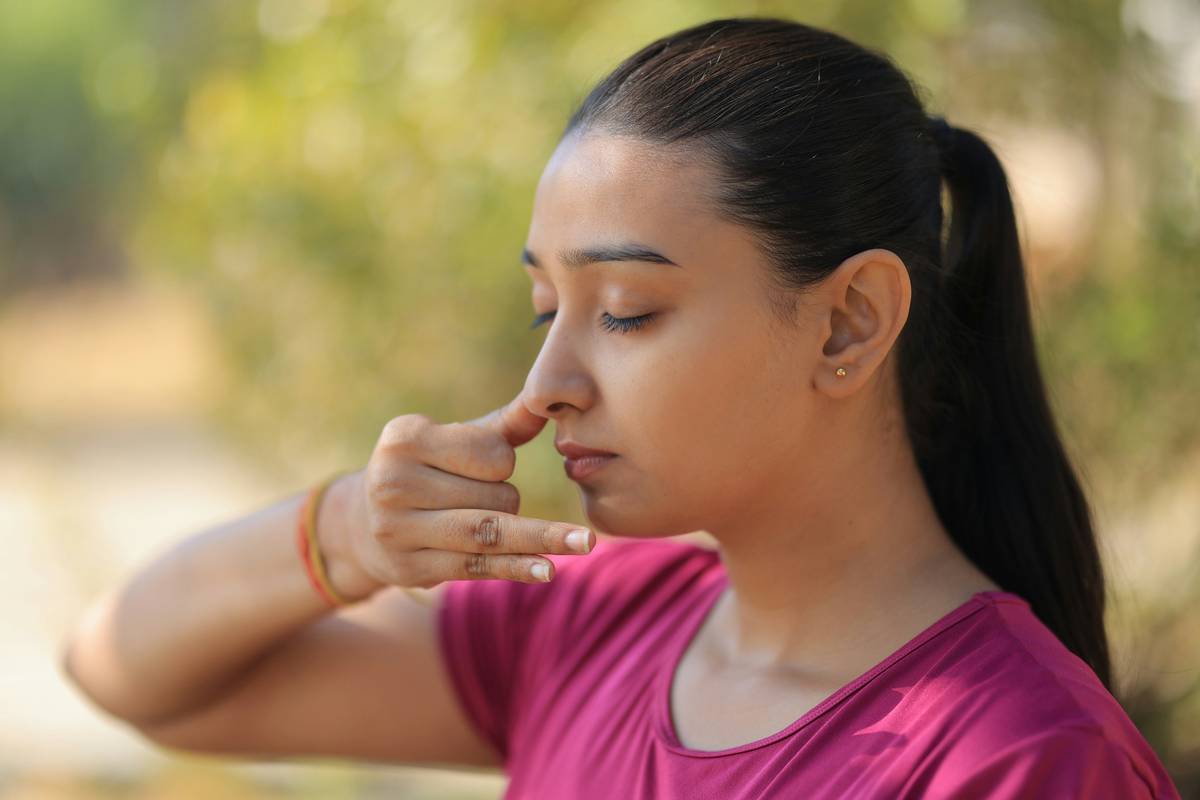
Use the Control Pause (CP) test: exhale normally, pinch your nose, and time how long you comfortably hold before the first urge to breathe. A CP under 20 seconds signals poor oxygen utilization—strongly correlated with insulin resistance in emerging metabolic studies.
Train Nasal-Dominant Breathing
Nasal breathing increases nitric oxide production by up to 6x, enhancing mitochondrial efficiency. Tape your mouth lightly at night (yes, really) and practice diaphragmatic inhales for 5 minutes upon waking. Consistency beats intensity.
Apply Breath-Hold Intervals Post-Walk
After a brisk 10-minute walk, perform three controlled breath holds (exhale-hold) at 70% max capacity. This gently stresses the system, boosting erythropoietin and fat-mobilizing hormones without spiking cortisol like HIIT often does.
| Breathing Protocol | Time Commitment | Estimated Weekly Impact on Airflow Success Metrics | Cost |
|---|---|---|---|
| Nasal Breathing + Mouth Taping (Night) | 8 hours/night | +12–18% improvement in morning oxygen saturation | $0 (or $5 for tape) |
| Diaphragmatic Drills (AM) | 5 min/day | +25% increase in vagal tone within 2 weeks | $0 |
| Post-Walk Breath Holds | 3 min, 5x/week | +8–10 sec gain in Control Pause monthly | $0 |
| CO₂ Tolerance Apps (e.g., Oxygen Advantage) | 10 min/day | Quantifiable Airflow Success Metrics dashboard | $9.99/month |
The Industry Secret: Airflow Success Metrics Predict Plateaus Before They Happen
Here’s what no one tells you: your breathing pattern shifts 3–5 days BEFORE a weight loss plateau registers on the scale. Clinicians in functional medicine have quietly used overnight oximetry trends—not just SpO₂, but heart rate variability (HRV) dips during REM—to forecast metabolic stalls. If your average nocturnal respiratory rate climbs above 16 breaths/minute for three nights straight, fat-burning enzymes like hormone-sensitive lipase begin downregulating. That’s why elite coaches now treat airflow data as a leading indicator, not a lagging one. The math is simple: better gas exchange = better substrate utilization. Period.
Frequently Asked Questions
Can breathing really affect weight loss?
Yes. Efficient airflow optimizes oxygen delivery to mitochondria, where fat is burned. Poor breathing elevates stress hormones that promote abdominal fat storage.
What’s a good Control Pause score for fat loss?
Aim for 40+ seconds. Below 25 indicates compromised metabolic flexibility—often seen in insulin-resistant individuals.
Do I need special equipment to track Airflow Success Metrics?
No. Start with the free Control Pause test. Optional tools like pulse oximeters ($20) add precision but aren’t mandatory.