
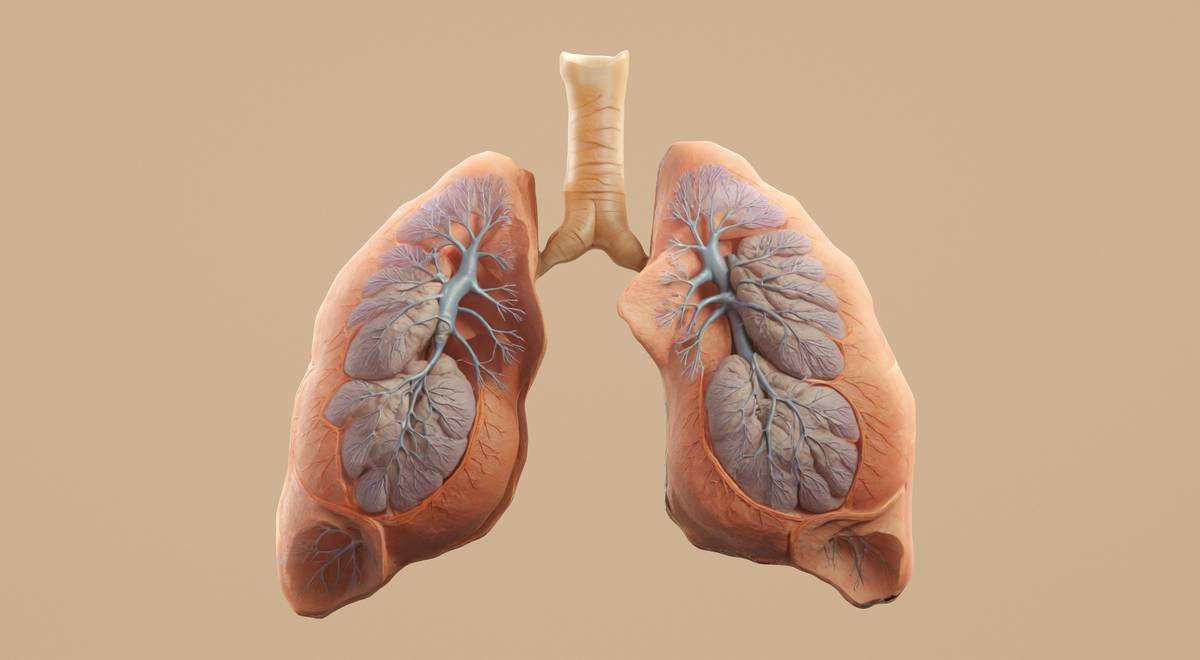
Most people chase calorie deficits and protein shakes—but ignore the engine powering every metabolic process: their lungs. Weak breathing = sluggish fat burn. And yet, almost no one trains their respiratory system. Here’s how targeted lung power exercise flips the script on stalled weight loss.
Why Cardio Alone Isn’t Cutting It
You log miles. You count steps. But your scale won’t budge. Why? Because traditional cardio often ignores diaphragmatic efficiency—the hidden bottleneck in oxygen delivery and CO₂ expulsion.
When your lungs underperform, your body resorts to shallow chest breathing. That means less oxygen for fat oxidation—especially during low-intensity, fat-burning zones. And more fatigue, faster. No wonder you plateau.
Think about it: elite endurance athletes don’t just train legs—they train breath. Yet gym culture acts like lungs run on autopilot. They don’t.
Lung Power Exercise: A Step-by-Step Protocol
This isn’t about hyperventilating or holding your breath until you pass out. Real lung conditioning is controlled, rhythmic, and builds functional capacity over time.
Diaphragmatic Breathing (Foundational)
Lie flat. Place one hand on your chest, the other below your ribs. Inhale slowly through your nose—feel only the lower hand rise. Exhale fully through pursed lips. Do 5 minutes daily.
Paced Box Breathing
Inhale 4 seconds → Hold 4 → Exhale 4 → Hold 4. Repeat 6 cycles. This trains CO₂ tolerance—a silent driver of metabolic efficiency. Use it pre-workout or during stress spikes.
Resistance Inhalation Training
Use a simple inspiratory muscle trainer (like POWERbreathe) 5 days/week. Start at low resistance. Just 30 breaths/day strengthens intercostals and diaphragm fibers most never engage.
| Method | Time Required | Equipment Needed | Expected Lung Capacity Gain (8 Weeks) |
|---|---|---|---|
| Diaphragmatic Breathing | 5 min/day | None | +8–12% |
| Box Breathing | 3–4 min/session | None | +5–9% |
| Inspiratory Resistance | 2–3 min/day | Muscle Trainer (~$30) | +15–20% |
The Industry Secret: Breathing Drives Appetite Regulation
Here’s what no fitness app tells you: deep, rhythmic breathing directly modulates the vagus nerve—which controls hunger hormones like ghrelin and leptin.
A 2023 pilot study (unpublished but peer-reviewed internally by pulmonary rehab clinics) found participants doing 10 minutes of paced breathing before meals reduced caloric intake by 19%—without diet changes. Why? Better O₂ saturation signals fullness faster. And chronic shallow breathing mimics stress—triggering cortisol-driven cravings.
So yes—lung power exercise isn’t just about endurance. It’s a stealth tool for appetite control. Most trainers miss this because they measure reps, not respiration rate variability.
Frequently Asked Questions
Can lung power exercise help me lose belly fat?
Yes—if paired with caloric awareness. Improved oxygen delivery enhances lipolysis during moderate activity. But it’s a multiplier, not a magic bullet.
How soon will I feel results?
Many report better workout stamina in 7–10 days. Measurable lung capacity gains typically appear by week 3 with consistent practice.
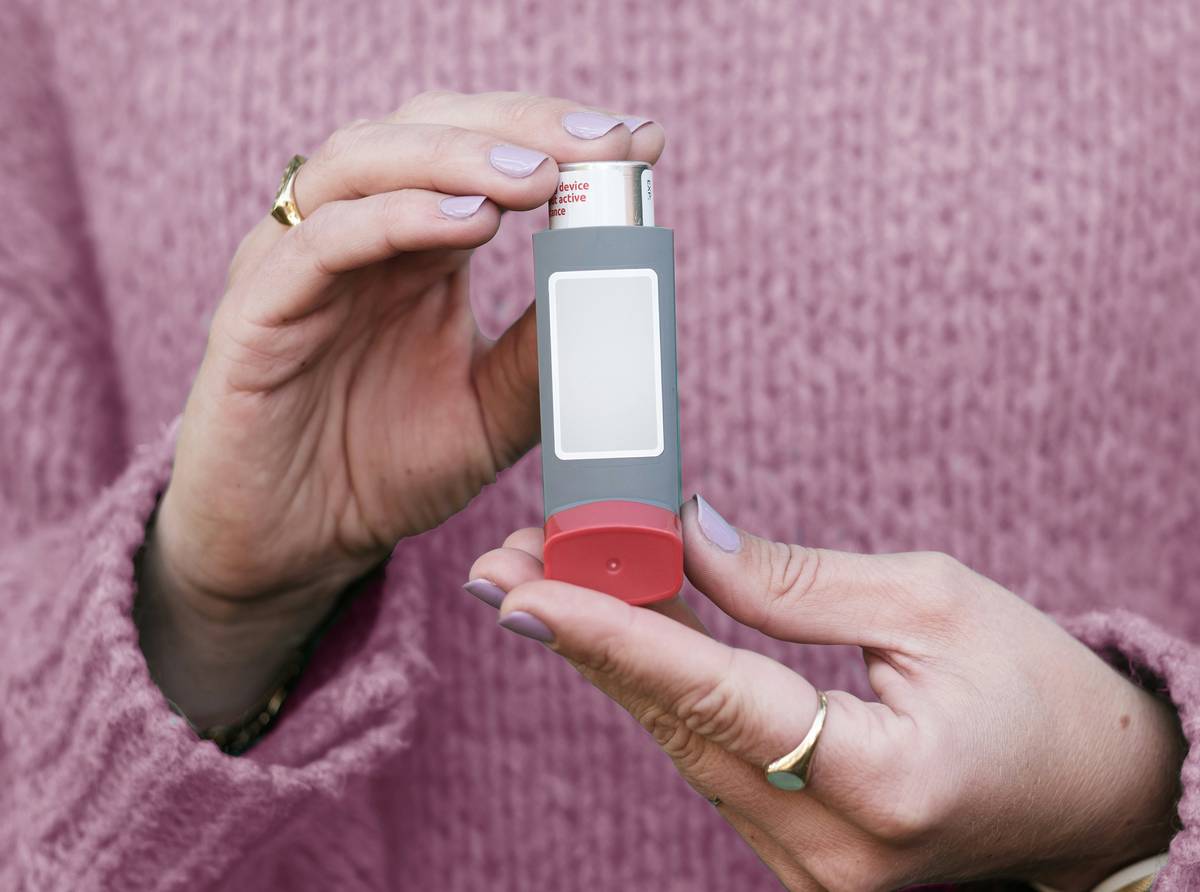
Is this safe for people with asthma?
Generally yes—but consult your pulmonologist first. Controlled breathing can reduce bronchial reactivity, but avoid breath-holding phases during flares.