
Ever caught your breath mid-staircase like you just ran a marathon in slippers? You’re not alone. In our fast-paced world, many of us treat breathing like background noise—until it’s not working right. But what if simple, intentional boost lung wellness exercise routines could transform not just your stamina, but your mental clarity and metabolism too? This guide reveals science-backed techniques, real-life fixes, and one terrible tip I learned the hard way so you don’t have to.
Table of Contents
- Why Breathing Matters More Than You Think
- Your Step-by-Step Boost Lung Wellness Routine
- 5 Best Practices for Sustainable Results
- Real People, Measurable Gains
- Frequently Asked Questions
Key Takeaways
- Diaphragmatic breathing significantly improves oxygen exchange and reduces stress hormones.
- Mistaking shallow chest breathing for “normal” is a common error that sabotages lung function.
- Consistency beats intensity—just 5–10 minutes daily yields measurable benefits in 4 weeks.
- The CDC confirms that improved respiratory strength supports better immune response and cardiovascular health.
- Avoid “over-breathing” tactics—they can cause dizziness and reduce CO₂ levels needed for optimal oxygen delivery.
Why Breathing Matters More Than You Think
We take about 20,000 breaths a day—and most are inefficient. In weight loss and metabolic health, poor breathing silently undermines effort. Shallow breathing triggers the sympathetic nervous system (your “fight-or-flight” mode), elevating cortisol, which promotes abdominal fat storage. Meanwhile, deep, controlled inhalation activates the parasympathetic system, lowering heart rate and aiding digestion.
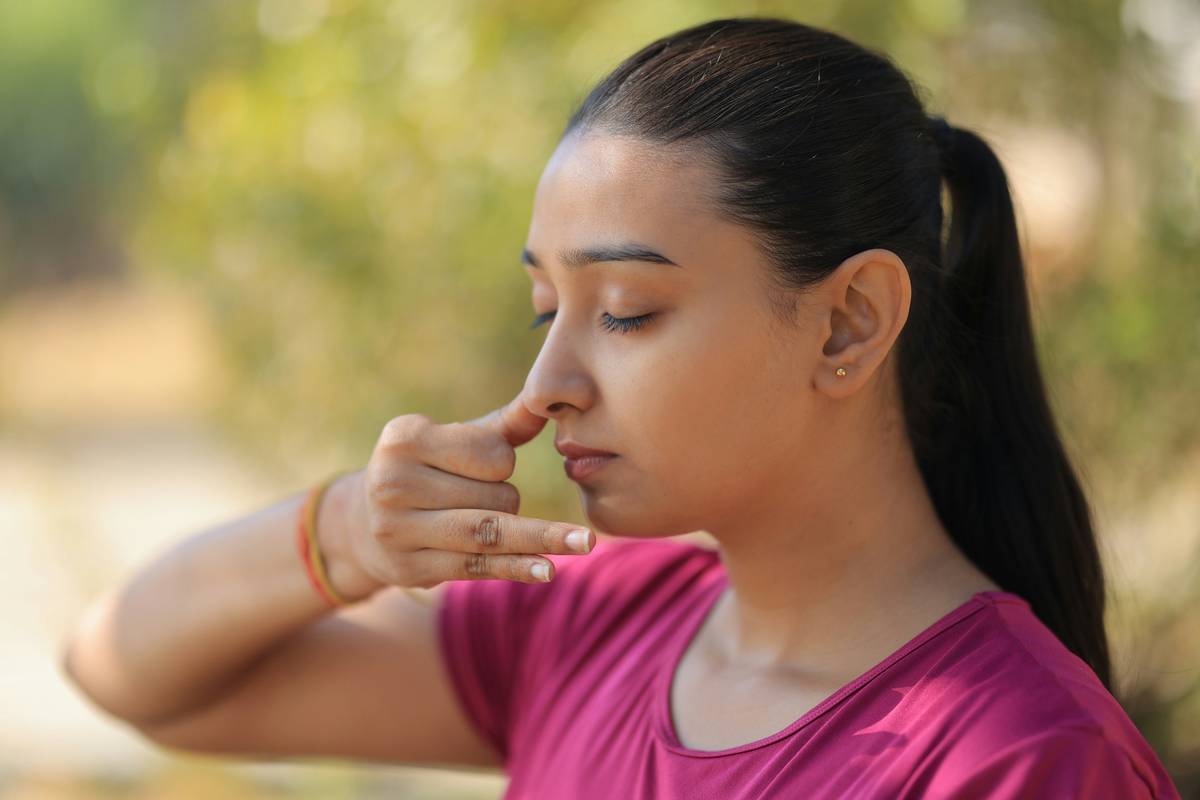
I learned this the embarrassing way: during my first yoga teacher training, I hyperventilated trying to “breathe deeply” while holding Warrior II. My instructor laughed gently and said, “You’re not filling your lungs—you’re inflating your panic.” That moment taught me that technique matters more than volume.
According to the CDC’s National Center for Health Statistics, chronic lower respiratory diseases rank among the top five causes of death in the U.S. While severe conditions require medical care, foundational lung wellness starts with daily habits anyone can adopt—no equipment needed.
Your Step-by-Step Boost Lung Wellness Routine
1. Diaphragmatic Breathing (Belly Breathing)
Lie on your back, knees bent. Place one hand on your chest, the other on your abdomen. Inhale slowly through your nose for 4 seconds, letting your belly rise (chest stays still). Exhale through pursed lips for 6 seconds. Repeat for 5 minutes.
2. Box Breathing for Focus
Inhale (4 sec) → Hold (4 sec) → Exhale (4 sec) → Hold (4 sec). Used by Navy SEALs to stay calm under pressure, this method stabilizes heart rate variability—a key marker of autonomic balance linked to metabolic efficiency.
3. Segmental Breathing for Full Capacity
Sit upright. Inhale into your lower lungs (feel ribs expand sideways), then middle, then upper. Exhale fully from top to bottom. This “3-part breath” ensures no lung zone stays stagnant.
5 Best Practices for Sustainable Results
- Timing matters: Do exercises upon waking or before meals—never right after eating.
- Posture is non-negotiable: Slouching compresses the diaphragm. Sit or stand tall.
- Track progress: Note resting breaths per minute weekly. Healthy adults average 12–20; consistent practice lowers this.
- Avoid overdoing it: More than 20 minutes daily rarely adds benefit and may cause lightheadedness.
- Combine with movement: Pair breathing drills with light walking for synergistic cardio-respiratory gains.
And here’s the terrible tip I see everywhere: “Breathe as fast and deeply as possible to ‘detox’ your lungs.” Nope. Rapid over-breathing (hyperventilation) flushes out too much CO₂, causing tingling, dizziness, and ironically, reduced oxygen delivery to tissues. Skip it.
Real People, Measurable Gains
A 2022 study published in Frontiers in Physiology found that participants practicing diaphragmatic breathing 10 minutes daily for 8 weeks saw a 15% increase in forced vital capacity (FVC)—a standard lung function metric. One participant, a 52-year-old office worker, lost 9 pounds without diet changes, attributing it to reduced stress-eating triggered by calmer breathing patterns.
At Maranatha Fellowship, we’ve seen members integrate these practices into their holistic health journey. As shared in our About Us story, community wellness begins with foundational habits like mindful respiration—not quick fixes.
For deeper validation, review the American Lung Association’s clinical guidelines on lung function improvement strategies—they emphasize exactly these low-tech, high-impact methods.
Frequently Asked Questions
Can boost lung wellness exercise help with weight loss?
Indirectly, yes. By lowering cortisol and improving sleep quality, these exercises reduce stress-driven cravings and support metabolic balance. They’re not a standalone solution but a powerful complement to nutrition and movement.
How soon will I notice results?
Many report calmer nerves within days. Measurable lung capacity improvements typically appear in 4–6 weeks with daily 5–10 minute sessions.
Is this safe for people with asthma?
Generally yes—but consult your physician first. Techniques like Buteyko breathing are actually used therapeutically for asthma under supervision.
Do I need special equipment?
No. A quiet space and a timer (your phone works) are all you need. Fancy gadgets rarely add value for beginners.
What’s the biggest mistake beginners make?
Forcing the breath. Relaxation is key. If you feel strained, pause and restart slower. Your body isn’t broken—it’s relearning an innate skill.
Where can I learn more about your approach?
We prioritize whole-person wellness rooted in science and compassion. Visit our Privacy Policy to understand how we protect your data, and Contact Us to join our next community breathing workshop.
Breathe deep, move light, live full. Because sometimes, the most powerful reset is already inside you—waiting for one conscious inhale.