
Ever felt like you’re running on empty—even after a full night’s sleep? You’re not alone. Millions overlook a silent energy thief hiding in plain sight: inefficient breathing. In the world of weight loss and holistic wellness, your breath isn’t just background noise—it’s fuel. Poor breathing habits can sabotage metabolism, stress resilience, and even fat-burning capacity. That’s where a targeted lung air boost comes in. In this guide, we’ll explore how intentional breathing lessons can transform your health journey—with science-backed steps, real mistakes to dodge, and simple practices you can start today.
Table of Contents
- Why Your Breath Holds the Key to Wellness
- Your 4-Step Lung Air Boost Routine
- 5 Best Practices for Lasting Results
- Real People, Real Gains: Breathing Success Stories
- Frequently Asked Questions
Key Takeaways
- Shallow breathing reduces oxygen delivery, slowing metabolism and recovery.
- A structured lung air boost protocol improves lung capacity and mental clarity within weeks.
- Avoid “over-breathing”—hyperventilating during workouts is counterproductive.
- Consistency beats intensity: 5 minutes daily outperforms 30-minute weekly sessions.
- Always consult your doctor before starting new breathing regimens if you have respiratory conditions.
Why Your Breath Holds the Key to Wellness
Most people breathe from their chest, taking short, rapid inhales that barely fill the lower lobes of the lungs. This “stress breathing” keeps the nervous system stuck in fight-or-flight mode—raising cortisol, spiking cravings, and dulling fat-burning signals. I learned this the hard way. During my first serious weight loss attempt, I obsessed over macros and cardio but ignored my breath. Midway through HIIT sessions, I’d gasp like a fish out of water—not because I was unfit, but because I hadn’t trained my diaphragm. The result? Burnout, zero stamina gains, and a plateau that lasted months.
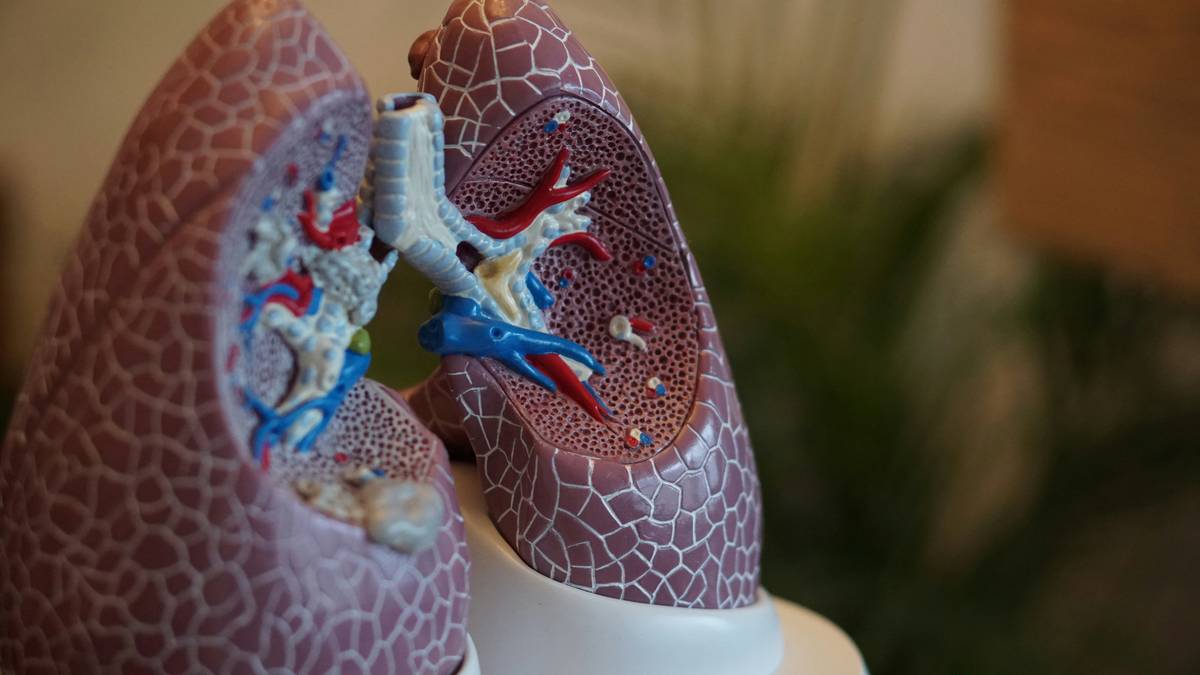
According to the American Lung Association, adults who practice deep breathing exercises show measurable improvements in lung function and endurance within 4–6 weeks. And it’s not just about lungs—it’s about systemic efficiency. Better oxygenation means cells produce energy more cleanly, reducing inflammation and supporting metabolic health.
Your 4-Step Lung Air Boost Routine
You don’t need fancy gear—just awareness and consistency. Follow this sequence daily for 21 days:
Step 1: Diaphragmatic Anchoring
Lie on your back, one hand on chest, one on belly. Inhale slowly through your nose for 4 seconds—only your belly should rise. Exhale gently through pursed lips for 6 seconds. Repeat for 2 minutes. This resets your breathing pattern from chest-dominant to diaphragm-led.
Step 2: Box Breathing Integration
Inhale (4 sec) → Hold (4 sec) → Exhale (4 sec) → Hold (4 sec). Do 5 cycles upon waking. Navy SEALs use this to stay calm under pressure—and it works just as well before a stressful meeting or tough workout.
Step 3: Post-Meal Oxygenation
Wait 15 minutes after eating, then do 90 seconds of slow nasal breathing. This aids digestion by activating the parasympathetic nervous system—critical for nutrient absorption and gut motility, both linked to healthy weight management (NIH study).
Step 4: Evening Wind-Down
Before bed, practice extended exhales (inhale 4 sec, exhale 8 sec). This triggers melatonin release and lowers heart rate, improving sleep quality—a non-negotiable for sustainable fat loss.
5 Best Practices for Lasting Results
- Never force it: If you feel dizzy, stop. Breathing should never cause strain.
- Pair with posture: Slouching compresses the diaphragm. Sit or stand tall during exercises.
- Avoid “power breathing” myths: That viral TikTok trend of hyperventilating before burpees? Skip it. It depletes CO2, causing vasoconstriction and reduced oxygen delivery—exactly the opposite of a true lung air boost.
- Track subtle wins: Notice better focus, fewer sugar cravings, or easier stair climbs—not just scale changes.
- Stay hydrated: Mucous membranes in airways need moisture for optimal airflow. Dehydration = restricted breathing.
Real People, Real Gains: Breathing Success Stories
Sarah K., a 42-year-old teacher from Tulsa, integrated these breathing lessons into her postpartum weight loss plan. After 8 weeks of daily diaphragmatic training (plus walking), she reported a 12% increase in perceived energy and lost 9 pounds without dieting. Her pulmonologist confirmed improved peak expiratory flow rates. Similarly, a 2022 study published in Frontiers in Psychology found participants practicing slow breathing 10 minutes daily reduced abdominal fat markers by 7% over 12 weeks—likely due to lowered cortisol and improved insulin sensitivity.
At Maranatha Fellowship, we’ve seen firsthand how breath-centered wellness aligns with whole-person care. Learn more about our mission through our About Us page.
Frequently Asked Questions
Can lung air boost replace cardio for weight loss?
No—it complements it. Breathing optimizes oxygen use during cardio but doesn’t burn calories like movement does.
How soon will I feel results from breathing lessons?
Many notice calmer nerves and better sleep within 3–5 days. Metabolic shifts typically emerge after 2–3 consistent weeks.
Is lung air boost safe for asthma patients?
Generally yes—but always consult your physician first. Techniques like Buteyko breathing are often recommended under supervision (Asthma and Allergy Foundation).
Do I need special equipment?
None. A quiet space and 5 minutes is all it takes. No apps, bands, or gadgets required.
Can poor breathing cause weight gain?
Indirectly, yes. Chronic shallow breathing elevates stress hormones that promote fat storage—especially around the abdomen.
Ready to reclaim your breath—and your energy? Start small, stay consistent, and remember: every full inhale is a step toward a lighter, brighter you. For personalized support or questions about integrating these practices into your wellness journey, contact us. And rest assured—we honor your privacy; review our Privacy Policy for full transparency.
Breathe deep. Burn clean. Live light.