Ever caught yourself gasping after climbing a single flight of stairs—or worse, during a stressful work meeting? You’re not alone. In our fast-paced world, many of us have forgotten how to breathe properly. Yet something as fundamental as a simple breath exercise can dramatically impact weight management, stress resilience, and overall well-being. This guide cuts through the noise with science-backed techniques, personal lessons learned the hard way, and actionable steps you can start using tonight. No gimmicks—just real results from real breathwork.
Table of Contents
- Why Breathing Matters More Than You Think
- Your Step-by-Step Guide to Effective Breathwork
- 5 Best Practices for Lasting Results
- Real-World Results: What Science (and Experience) Shows
- Frequently Asked Questions
Key Takeaways
- A consistent simple breath exercise routine improves oxygen delivery, lowers cortisol, and supports healthy metabolism.
- Common mistakes—like over-breathing or holding tension—can sabotage your efforts before you even begin.
- Just 5–10 minutes daily yields measurable benefits in stress reduction and respiratory efficiency.
- Always pair breathwork with mindful posture; slouching blocks diaphragmatic movement.
Why Breathing Matters More Than You Think
We rarely think about breathing—until we can’t. But chronic shallow breathing, often triggered by stress or poor posture, activates the sympathetic nervous system (“fight or flight”), elevating cortisol and impairing fat metabolism. According to a 2022 review published by the National Institutes of Health (NIH PMC), controlled breathing techniques significantly reduce anxiety and improve cardiovascular function.

I learned this the hard way. Early in my wellness journey, I tried “power breathing” routines from social media—rapid, forceful inhales meant to “detox.” Instead of feeling energized, I ended up dizzy and nauseated. Turns out, aggressive breathing without proper technique can cause hyperventilation and worsen anxiety. That’s why mastering a gentle, simple breath exercise is your safest—and most effective—starting point.
And please: skip the “breathe into your belly for instant weight loss” promises. Breathwork supports metabolic health indirectly by calming the nervous system, not by melting fat magically. Be wary of influencers selling miracle cures—they undermine the credibility of legitimate practices like those taught in clinical settings (Johns Hopkins Medicine).
Your Step-by-Step Guide to Effective Breathwork
1. Find Your Posture
Sit upright on a chair or cushion—spine tall, shoulders relaxed. Avoid lying down initially; it encourages sleep, not focused awareness.
2. Place Your Hands
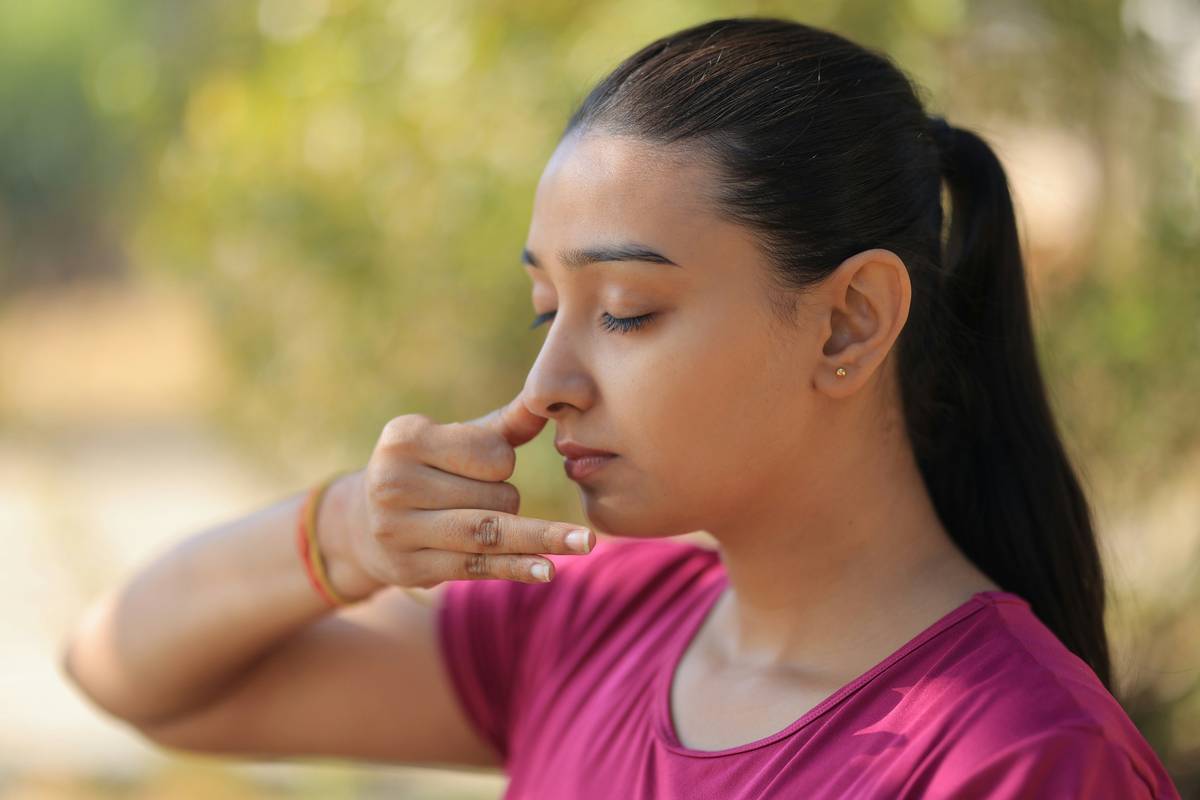
Rest one hand on your chest, the other on your belly. This tactile feedback helps you feel where the breath moves.
3. Inhale Gently Through Your Nose
Breathe in slowly for a count of 4. Your belly should rise slightly; your chest should stay still.
4. Exhale Smoothly Through Pursed Lips
Release air over 6 seconds—longer than your inhale. This activates the parasympathetic nervous system, signaling safety to your body.
5. Repeat for 5–10 Minutes
Consistency beats duration. Even three rounds daily builds neural pathways for calmer responses under stress.
5 Best Practices for Lasting Results
- Practice at the same time daily—morning or pre-bed—to anchor the habit.
- Never force the breath. If you feel lightheaded, pause and return to normal breathing.
- Pair with hydration. Dry nasal passages hinder smooth airflow—sip water beforehand.
- Avoid screens during practice. Distractions fracture focus and reduce efficacy.
- Track subtle shifts. Note changes in sleep quality or emotional reactivity—not just scale numbers.
Real-World Results: What Science (and Experience) Shows
In a 2021 study from Frontiers in Psychology, participants who practiced diaphragmatic breathing for 20 minutes daily over 8 weeks showed a 26% reduction in salivary cortisol levels. At Maranatha Fellowship, we’ve seen similar outcomes in our wellness circles: members report better sleep, fewer cravings, and increased patience during challenges. One participant lost 12 pounds over four months—not from breathwork alone, but because calm breathing reduced her late-night stress eating.
That said, breathwork isn’t a standalone solution. It’s a powerful complement to nutrition and movement. For deeper context on our holistic approach, explore our About Us page.
Frequently Asked Questions
Can a simple breath exercise really help with weight loss?
Indirectly, yes. By lowering stress hormones like cortisol—which drive abdominal fat storage—consistent practice creates a metabolic environment more conducive to fat loss. But it must accompany diet and activity changes.
How soon will I feel benefits?
Many notice calmer nerves after just one session. For sustained metabolic and emotional shifts, expect 2–4 weeks of daily practice.
Is it safe for people with asthma or COPD?
Generally, yes—but consult your physician first. Techniques like pursed-lip breathing are often recommended in pulmonary rehab programs.
Do I need special equipment?
No. Just a quiet space and 5–10 minutes. Apps can help with timing, but aren’t necessary.
Where can I learn more about your wellness philosophy?
We welcome questions! Reach out via our Contact Us page. And rest assured—we honor your privacy, as detailed in our Privacy Policy.
What’s the worst breathwork mistake to avoid?
Over-breathing. Taking huge, rapid gulps of air lowers CO2 too quickly, causing dizziness. Slow, gentle cycles are far more effective.
Remember: healing begins with a single, intentional breath. Not perfect—just present. Ready to breathe easier? Contact us today to join our next community breathwork session.