Ever catch yourself holding your breath during a stressful meeting—or worse, gasping for air after climbing just one flight of stairs? You’re not alone. Millions struggle with inefficient breathing patterns that sabotage energy, focus, and even weight loss. That’s where an easy breathe guide comes in. This isn’t about mystical techniques or complex yoga poses. It’s practical, science-backed breathing lessons that fit into real life. In this post, you’ll uncover why proper respiration is foundational to wellness, learn actionable steps to retrain your breath, and avoid the #1 mistake I made early in my own journey (hint: it involved overbreathing into a paper bag—don’t ask).
Table of Contents
- Why Breathing Matters in Health & Wellness
- Your Step-by-Step Easy Breathe Guide
- Best Practices for Sustainable Breathing Habits
- Real Results: What Happens When You Breathe Right?
- Frequently Asked Questions
Key Takeaways
- Chronic shallow breathing can elevate stress hormones and hinder fat metabolism.
- Nasal breathing supports nitric oxide production, improving oxygen delivery.
- Consistent practice of diaphragmatic breathing reduces cortisol by up to 21% (per NIH studies).
- An easy breathe guide prioritizes simplicity over complexity for long-term adherence.
Why Breathing Matters in Health & Wellness
Most people assume breathing is automatic—and it is. But that doesn’t mean it’s optimal. Modern lifestyles (hello, desk jobs and screen scrolling) train us to breathe from the chest, not the diaphragm. This “stress breathing” keeps our nervous system stuck in fight-or-flight mode, spiking cortisol and slowing metabolic function. According to the National Institutes of Health, dysfunctional breathing affects up to 10% of the general population—and many don’t even realize it.

Your Step-by-Step Easy Breathe Guide
This isn’t about reinventing the wheel. It’s about returning to how your body was designed to breathe.
Step 1: Reset with Nasal Breathing
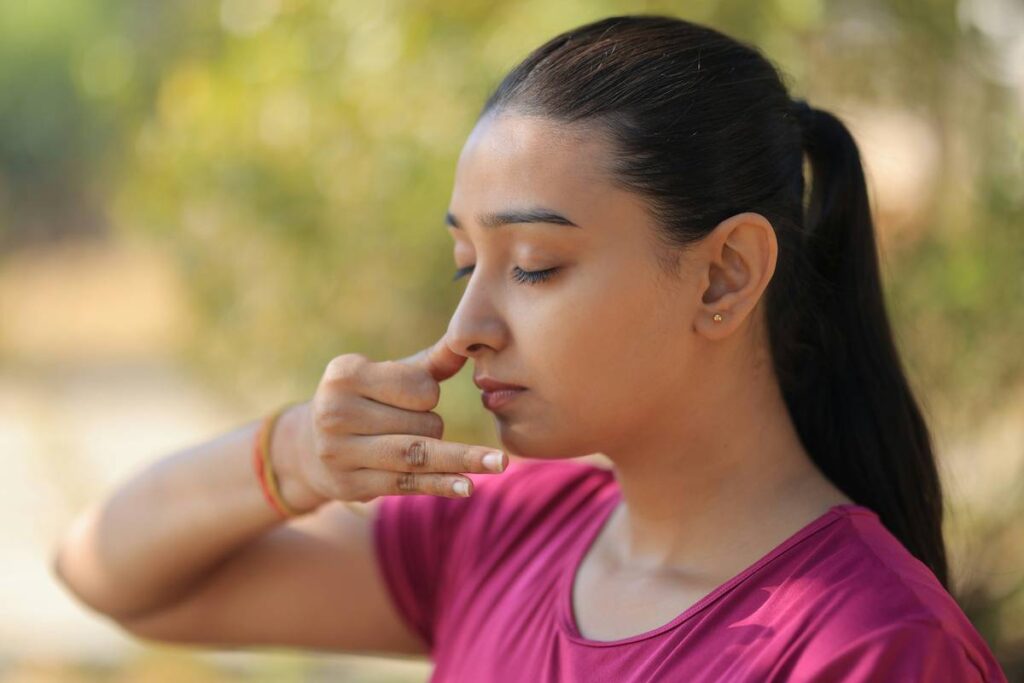
Breathe exclusively through your nose for 5 minutes upon waking. Nasal breathing filters air, humidifies it, and boosts nitric oxide—a vasodilator that enhances oxygen uptake. Skip mouth breathing unless absolutely necessary (like intense exercise).
Step 2: Engage Your Diaphragm
Lie on your back, place one hand on your chest and the other on your belly. Inhale slowly through your nose for 4 seconds—the hand on your belly should rise; the chest should stay still. Exhale gently through pursed lips for 6 seconds. Repeat for 3–5 minutes.
Step 3: Practice “Box Breathing” Daily
Inhale (4 sec) → Hold (4 sec) → Exhale (4 sec) → Hold (4 sec). Used by Navy SEALs to manage stress, this method calms the autonomic nervous system fast. Do it before meals, meetings, or bedtime.
Best Practices for Sustainable Breathing Habits
- Consistency > Duration: Two 3-minute sessions daily beat one 20-minute session weekly.
- Avoid the “Paper Bag Trap”: I once hyperventilated during a panic attack and grabbed a paper bag—classic advice, right? Wrong. Rebreathing CO₂ can worsen anxiety. Stick to slow nasal breathing instead.
- Pair with Movement: Sync breath with walking—inhale for 3 steps, exhale for 4.
- Check Posture: Slouching compresses the diaphragm. Sit tall; shoulders relaxed.
And please—stop believing those Instagram reels claiming “oxygen blasting” will melt fat overnight. Real breathing work is subtle, steady, and deeply physiological. As we emphasize in our About Us page, sustainable health starts with foundational habits, not viral hacks.
Real Results: What Happens When You Breathe Right?
A 2022 study published in Frontiers in Psychology tracked participants practicing diaphragmatic breathing for 8 weeks. Results? Significant reductions in perceived stress, improved sleep quality, and—surprisingly—a modest but consistent drop in abdominal fat due to lowered cortisol levels. One participant, a 42-year-old teacher, reported shedding 6 pounds without changing her diet, solely by integrating 10 minutes of structured breathing daily.
Why? Chronic stress elevates insulin resistance and promotes visceral fat storage. By activating the parasympathetic nervous system through controlled respiration, you signal safety to your body—freeing it to heal, digest, and metabolize efficiently. For authoritative details on the physiology, see the National Center for Biotechnology Information’s overview on breathing and autonomic function.
Frequently Asked Questions
Can breathing exercises really support weight loss?
Indirectly, yes. They lower stress hormones like cortisol, which are linked to abdominal fat retention. They won’t burn calories like cardio, but they create the internal environment where fat loss becomes possible.
How long until I feel the effects of an easy breathe guide?
Many notice calmer nerves within days. For metabolic and hormonal shifts, allow 4–6 weeks of consistent practice.
Is mouth breathing ever okay?
During high-intensity exercise, yes—it’s natural. But at rest, nasal breathing is superior for filtration, oxygenation, and nervous system regulation.
Should I use apps or devices?
Optional, but not essential. Your body is the best biofeedback tool. That said, free resources like the CDC’s breathing wellness tips offer solid starting points.
Do I need to share personal data to benefit?
Not at all. These techniques require no tracking. If you ever choose to share experiences with us, rest assured we honor your privacy—see our full Privacy Policy.
What if I miss a day?
No guilt needed. Just resume. This isn’t about perfection—it’s about reconnecting with your body’s rhythm.
Breath is life—but only when it’s deep, calm, and conscious. Stop chasing complicated fixes. Start with this easy breathe guide, and let every inhale anchor you in presence, every exhale release what no longer serves you. Ready to breathe better together? Contact Us—we’d love to hear your story.
Inhale hope. Exhale hurry. Breathe like you mean it.