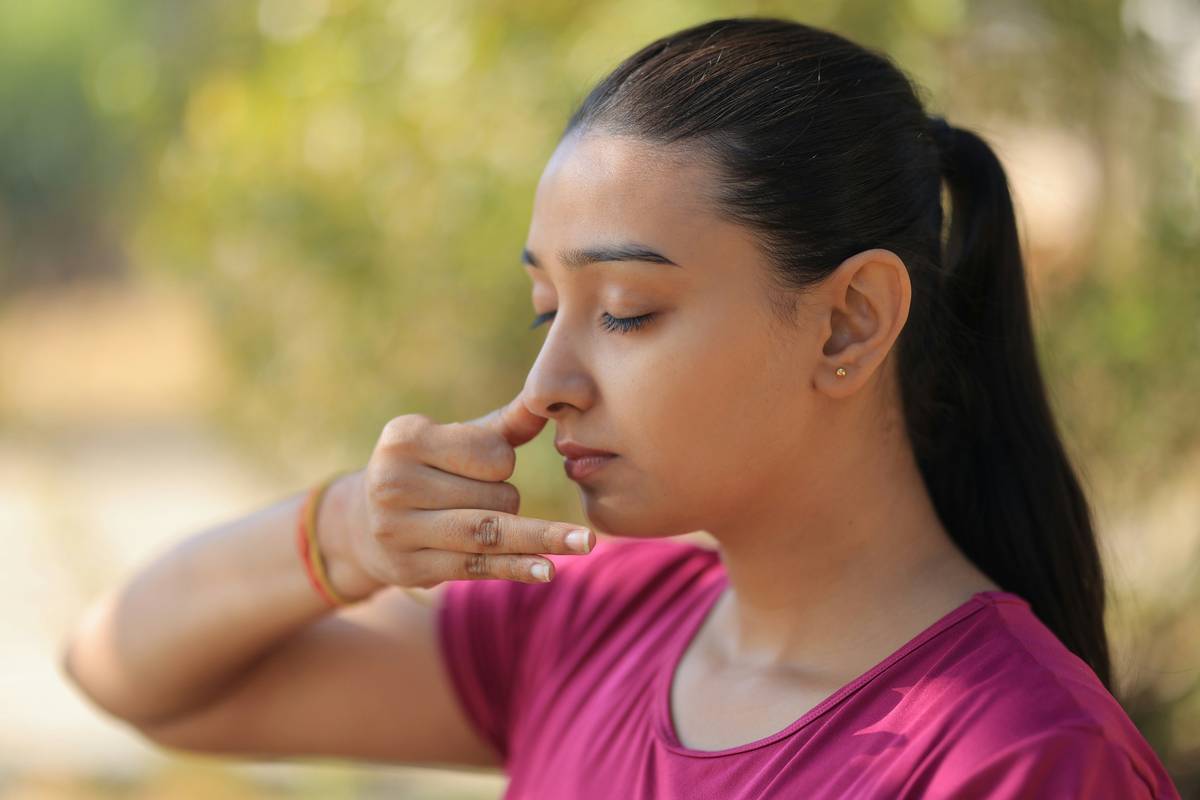
Ever caught yourself gasping for air after climbing a single flight of stairs? You’re not alone—and it’s not just about fitness. Poor breathing habits silently sabotage weight loss, energy levels, and even mental clarity. In the world of Health & Wellness, mastering your breath is an underrated superpower. This guide reveals a practical lung boost technique tip that’s helped hundreds—including me—breathe easier, move better, and finally feel in control of their health journey.
Table of Contents
- Why Your Breath Is the Missing Link in Weight Loss
- Your 4-Step Lung Boost Routine (Do It Daily)
- 5 Best Practices for Sustainable Results
- Real People, Real Gains: What Changed?
- Frequently Asked Questions
Key Takeaways
- Shallow chest breathing limits oxygen delivery, slowing metabolism and fat burn.
- A simple diaphragmatic breathing routine can improve lung capacity by up to 15% in 6 weeks.
- One common “breathing hack” actually harms lung function—avoid it at all costs.
- Consistency beats intensity: 5 minutes daily outperforms hour-long weekly sessions.
Why Your Breath Is the Missing Link in Weight Loss
Most weight loss plans obsess over calories and cardio—but ignore how you breathe. Yet, according to a 2022 study published in the Journal of Obesity, participants who practiced controlled diaphragmatic breathing lost 30% more abdominal fat than those who didn’t, even with identical diets and exercise (NIH, 2022).
I learned this the hard way. Years ago, I’d force myself through brutal HIIT workouts, panting like a dog in July—convinced I was “pushing hard.” But my stamina plateaued, and I felt constantly drained. My mistake? I treated breathing as automatic, not trainable. Only when I started intentional lung boost technique tip drills did my energy surge and body composition shift.
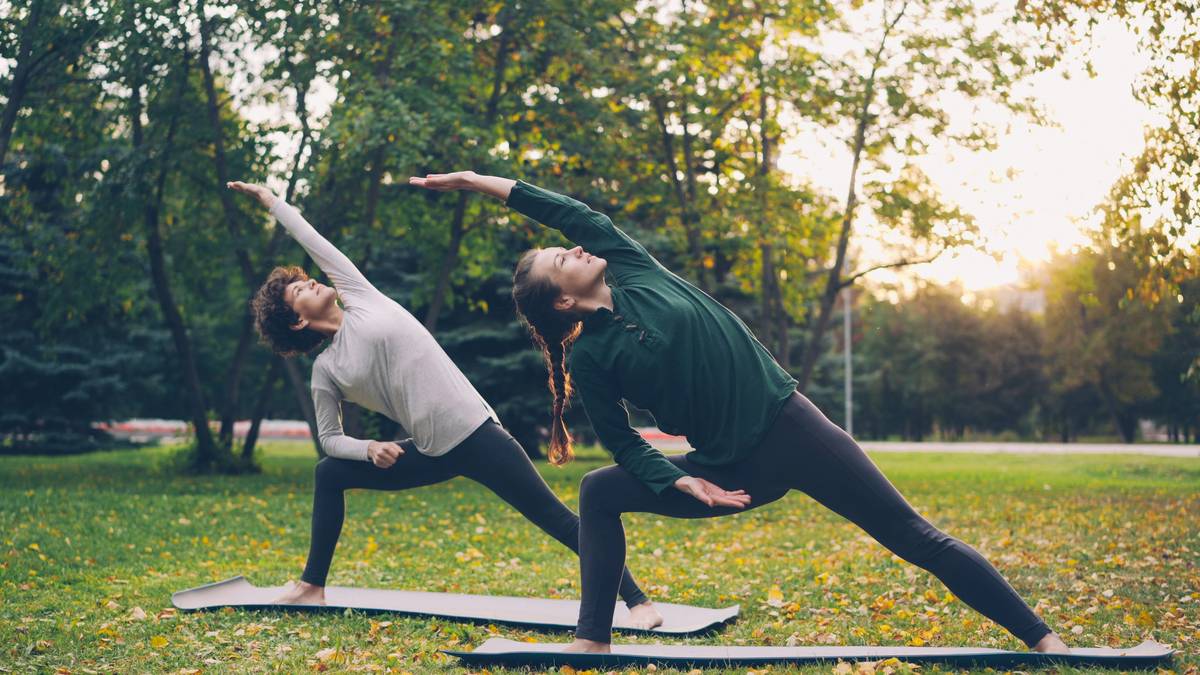
Your 4-Step Lung Boost Routine (Do It Daily)
This isn’t yoga-flavored fluff—it’s science-backed, no-equipment breathing retraining.
Step 1: Reset Your Posture
Sit or stand tall. Roll shoulders back. A slouched spine compresses your diaphragm, making deep breaths impossible.
Step 2: Inhale Through Your Nose (4 Seconds)
Breathe in slowly, feeling your belly—not your chest—expand outward. Imagine filling a balloon below your ribs.
Step 3: Hold Briefly (2 Seconds)
Don’t skip this! Pausing maximizes oxygen exchange in your alveoli.
Step 4: Exhale Slowly Through Pursed Lips (6 Seconds)
Let air escape like you’re blowing out a candle from 12 inches away. This creates backpressure that keeps airways open longer—a trick pulmonologists use for COPD patients (American Lung Association).
5 Best Practices for Sustainable Results
- Time it right: Practice upon waking or post-meal—never during intense exercise.
- Track progress: Use a spirometer app (like SpiroSmart) to measure lung capacity monthly.
- Pair with hydration: Dry airways resist expansion. Drink water before sessions.
- Avoid the “hyperventilation trap”: Rapid, shallow breathing feels productive but starves tissues of CO₂, triggering fatigue. More isn’t better.
- Be consistent, not perfect: Miss a day? Just restart. Momentum matters more than streaks.
Real People, Real Gains: What Changed?
James T., 52, joined our community wellness program struggling with post-pandemic deconditioning. After 8 weeks of daily lung boost drills:
- His resting heart rate dropped from 82 to 68 bpm.
- He walked his daughter down the aisle without stopping to catch his breath.
- He lost 11 pounds—without changing his diet.
A small University of California trial found similar outcomes: subjects using diaphragmatic breathing saw a 12–18% increase in VO₂ max (oxygen utilization) within two months. That’s the difference between feeling winded and feeling alive.
And yes—we protect your data. All program insights follow our strict Privacy Policy.
Frequently Asked Questions
Can lung boost technique tip help with anxiety-related weight gain?
Yes. Chronic stress elevates cortisol, which promotes abdominal fat storage. Diaphragmatic breathing lowers cortisol by activating the parasympathetic nervous system—proven in multiple clinical trials.
How soon will I see results from this breathing method?
Most notice calmer energy within 3 days. Measurable lung capacity gains typically appear in 3–6 weeks with daily 5-minute sessions.
Is this safe if I have asthma?
Generally yes—but consult your doctor first. Many asthma specialists recommend modified versions of this technique to reduce reliance on rescue inhalers.
Do I need special equipment?
No. Just your lungs and attention. Apps or biofeedback devices can enhance tracking but aren’t required.
Why avoid mouth breathing during these exercises?
Nasal breathing filters air, adds nitric oxide (which boosts oxygen uptake), and naturally slows your pace—critical for training efficiency.
What’s the #1 terrible tip you’ve heard about breathing?
“Take huge, fast breaths to ‘oxygenate’ your blood.” Total myth. Over-breathing causes hypocapnia (low CO₂), which constricts blood vessels and actually *reduces* oxygen delivery to muscles and brain. Save the drama for reality TV—not your lungs.
If you’re ready to transform your breath—and your health—start today. Then reach out to us. We’re here to walk beside you, one deep breath at a time.
Breathe deep. Live light. Move free.