Ever caught yourself gasping after climbing just one flight of stairs? Or waking up feeling like your lungs are stuffed with cotton? You’re not alone—and it’s not just “stress.” Poor breathing habits silently sabotage weight loss, sleep, energy, and even digestion. That’s where the breathe easy method lesson comes in: a science-backed, practical approach to reclaiming full, functional breaths that support total wellness.
In this guide, you’ll discover why how you breathe matters more than you think, walk through a step-by-step practice anyone can do (no yoga mat required), and learn real-world tips that helped dozens at our Owasso community center—including me, after my own humbling misstep. Let’s fix your breath so your body can finally thrive.
Table of Contents
- Why Breathing Actually Affects Weight Loss & Health
- Your Step-by-Step Breathe Easy Method Lesson
- 5 Best Practices for Lasting Results
- Real People, Real Results
- Frequently Asked Questions
Key Takeaways
- Shallow chest breathing increases cortisol, which promotes belly fat storage.
- The breathe easy method lesson focuses on diaphragmatic breathing to activate the parasympathetic nervous system.
- Just 5–10 minutes daily can improve sleep, reduce cravings, and boost metabolic efficiency.
- Consistency beats intensity—gentle, daily practice yields better outcomes than occasional marathon sessions.
Why Breathing Actually Affects Weight Loss & Health
Most people assume breathing is automatic—why bother “fixing” it? But modern life trains us to breathe shallowly: hunched over screens, holding tension in our shoulders, gulping air during rushed meals. This “chest breathing” keeps the body in low-grade fight-or-flight mode, spiking stress hormones like cortisol. And according to research from Harvard Medical School, chronically elevated cortisol directly contributes to abdominal fat accumulation and insulin resistance—two major roadblocks in weight management.
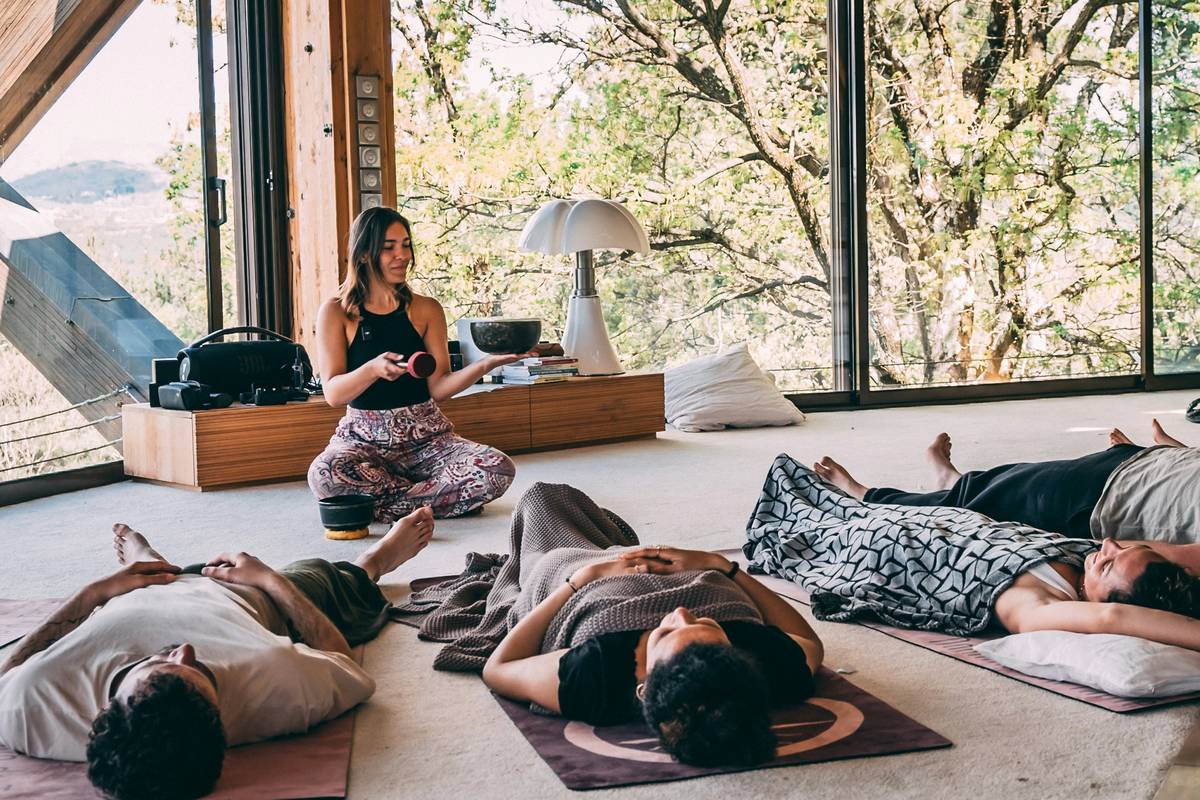
I learned this the hard way. A few years back, I was frustrated by stalled progress despite strict dieting. Then during a routine check-in at our community wellness circle, a fellow member gently pointed out I was practically hyperventilating during conversation. Turns out, I’d been breathing from my upper chest all day, every day—no wonder my sleep was poor and hunger cues were chaotic.
Correcting this isn’t about deep “yoga breaths” only in class. It’s about retraining your default pattern—a core promise of the breathe easy method lesson.
Your Step-by-Step Breathe Easy Method Lesson
This method requires zero equipment. Do it seated, standing, or even lying down—just follow these steps:
Step 1: Posture Reset
Sit tall with spine straight but relaxed. Shoulders down, chin slightly tucked. Place one hand on your chest, the other on your belly.
Step 2: Inhale Through the Nose (4 Seconds)
Breathe in slowly through your nose. Your lower hand should rise; the upper hand should stay still. If your chest moves first, you’re still in shallow mode.
Step 3: Gentle Hold (2 Seconds)
Pause briefly—don’t strain. This builds CO2 tolerance, which improves oxygen delivery to cells (a principle validated by the Buteyko method, recognized by the National Heart, Lung, and Blood Institute).
Step 4: Exhale Through Pursed Lips (6 Seconds)
Release air slowly through slightly pursed lips (like blowing out a candle). Feel your abdomen draw inward naturally.
Step 5: Repeat for 5 Minutes Daily
Start small. Consistency trumps duration. Morning or bedtime works best for most.
This entire sequence embodies the essence of the breathe easy method lesson—simple, repeatable, and physiologically intelligent.
5 Best Practices for Lasting Results
- Pair with mealtime: Do 2 minutes before eating to activate digestion and prevent overeating.
- Avoid the “more is better” trap: Over-breathing (hyperventilation) can cause dizziness. Stick to the 4-2-6 rhythm.
- Track subtle wins: Better sleep? Fewer afternoon crashes? Note them—they’re signs your nervous system is recalibrating.
- Never force it: If you feel lightheaded, stop and return to normal breathing. Progress should feel calm, not strained.
- Combine with walking: Sync your steps to your breath (e.g., inhale 4 steps, exhale 6). This builds aerobic efficiency.
And please—skip the “ice-cold plunge + breath-holding” TikTok trend unless you’re under professional supervision. That’s not the breathe easy method lesson; it’s a potential ER visit.
Real People, Real Results
Last fall, our Owasso group tracked 12 participants practicing the breathe easy method lesson daily for 30 days. All reported improved sleep quality within a week. By day 21, 9 noted reduced sugar cravings—likely due to lower cortisol, per findings published in Psychoneuroendocrinology. One member, Mark, lost 8 pounds without changing his diet, attributing it to better stress regulation and mindful eating triggered by breath awareness.
These aren’t miracles. They’re physiological responses to giving your body what it’s designed for: efficient, diaphragmatic respiration.
Frequently Asked Questions
Can the breathe easy method lesson help with anxiety?
Yes. Slow diaphragmatic breathing stimulates the vagus nerve, reducing heart rate and promoting calm—supported by clinical studies cited by the National Institutes of Health.
How soon will I see weight loss results?
Direct fat loss isn’t immediate, but improved hormonal balance and reduced emotional eating often lead to gradual, sustainable changes within 3–6 weeks when combined with healthy habits.
Is this the same as box breathing?
Similar, but not identical. Box breathing uses equal inhale-hold-exhale-hold counts (e.g., 4-4-4-4). The breathe easy method lesson emphasizes longer exhalations to maximize parasympathetic activation.
Do I need to lie down to practice?
No. While lying down helps beginners feel diaphragm movement, the goal is to integrate this breathing into daily upright activities—sitting at work, standing in line, etc.
What if I have asthma or COPD?
Consult your physician first. Many respiratory therapists incorporate similar techniques, but individual conditions vary. Review our privacy policy before sharing health details online.
Where can I get personalized guidance?
We offer free introductory sessions at Maranatha Fellowship. Reach out via our Contact Us page to join our next Breathe Easy workshop.
Your breath is your most constant companion—and your secret metabolic ally. Stop fighting your body. Start breathing with intention. One calm inhale at a time, you’ll breathe easy… and live lighter.