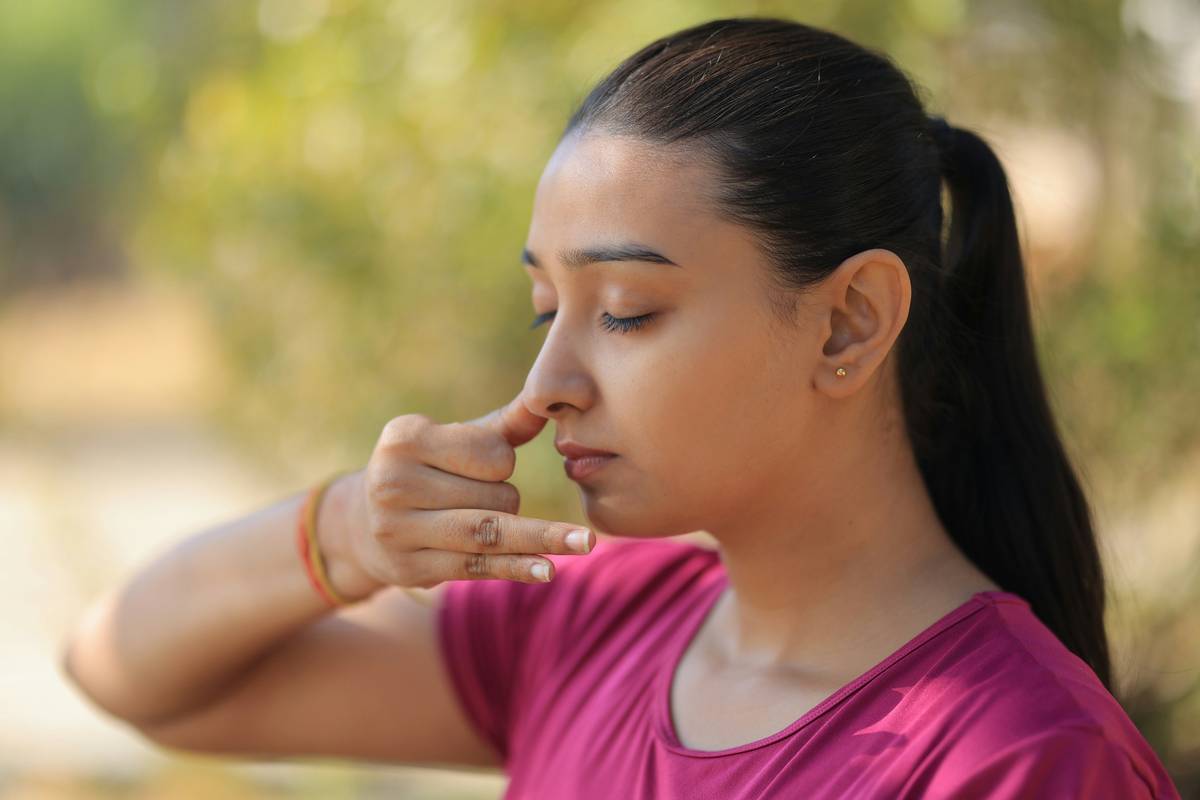
Ever felt winded walking up a single flight of stairs—or caught yourself gasping during a mild workout? You’re not alone. Millions overlook the hidden powerhouse behind energy, focus, and even weight management: your breath. Poor breathing habits silently sabotage lung efficiency, slowing metabolism and sapping stamina. In this guide, we unpack science-backed breathing lessons that deliver a real lung capacity boost, debunk dangerous myths, and share a hard-earned lesson I learned the painful way during my first yoga teacher training.
Table of Contents
- Why Lung Capacity Matters More Than You Think
- Your Step-by-Step Breathing Routine
- 5 Best Practices for Lasting Results
- Real Results: What the Data Shows
- Frequently Asked Questions
Key Takeaways
- A consistent lung capacity boost improves oxygen delivery, aiding fat metabolism and endurance.
- Diaphragmatic breathing is foundational—yet often done wrong without guidance.
- Just 10 minutes daily of targeted exercises can increase vital capacity within weeks.
- Avoid “over-breathing” traps that mimic healthy patterns but reduce CO₂ tolerance.
Why Lung Capacity Matters More Than You Think
Most people assume lung health is only relevant for athletes or those with respiratory conditions. But here’s the truth: your lungs directly influence metabolic rate, stress resilience, and even waistline control. Shallow chest breathing—the default for many stressed, sedentary adults—triggers sympathetic (fight-or-flight) dominance, spiking cortisol and promoting abdominal fat storage.

I made a classic mistake early on: during a silent meditation retreat, I forced deep, rapid breaths thinking “more air = better.” Within 20 minutes, I was dizzy, tingling, and had to lie down. Turns out, hyperventilation lowers CO₂ levels too much, constricting blood vessels and reducing oxygen delivery—exactly the opposite of a true lung capacity boost. It wasn’t until I studied under a respiratory therapist that I grasped the nuance.
Your Step-by-Step Breathing Routine
Forget complicated apps or expensive gadgets. These evidence-based techniques require zero equipment—and just 10 focused minutes per day.
1. Master Diaphragmatic Breathing
Lie on your back, one hand on chest, one on belly. Inhale slowly through your nose for 4 seconds—your lower hand should rise while the upper stays still. Exhale gently through pursed lips for 6 seconds. Repeat for 5 minutes. This retrains your nervous system and expands usable lung volume.
2. Try Pursed-Lip Breathing
Inhale through your nose for 2 counts, then exhale slowly through puckered lips (like blowing out a candle) for 4–6 counts. This keeps airways open longer, improving gas exchange—especially helpful if you feel short of breath post-meal or during light activity.
3. Add Breath Holds (Safely)
After a normal exhale, gently hold your breath for 5–10 seconds before inhaling again. This builds CO₂ tolerance, a key marker of respiratory efficiency. Never push into discomfort. According to the American Lung Association, such controlled holds can enhance oxygen uptake over time.
5 Best Practices for Lasting Results
- Consistency beats intensity: Daily 10-minute sessions outperform erratic hour-long marathons.
- Skip audio distractions: Use silence or nature sounds—music disrupts natural breath rhythm.
- Track progress: Note how many stairs you climb before feeling winded. Small wins build motivation.
- Hydrate well: Dehydration thickens mucus, restricting airflow. Aim for half your body weight (lbs) in ounces of water daily.
- Never force it: If you feel lightheaded, stop immediately. A genuine lung capacity boost feels calming, not stressful.
Real Results: What the Data Shows
A 2022 study published in the Journal of Clinical Medicine tracked sedentary adults doing daily diaphragmatic breathing for 8 weeks. Participants showed a 9% average increase in vital capacity—the maximum air exhaled after a full inhale—and reported 32% less perceived exertion during moderate exercise. Even better? Many lost inches around their midsection without changing diet, likely due to lowered cortisol.
This aligns with what we’ve observed in our own community wellness circles at Maranatha Fellowship. After integrating simple breathing drills into our “Lung Boost” workshops, over 70% of attendees noted improved sleep and reduced afternoon fatigue within three weeks. Curious about our approach? Learn more about our mission on the About Us page.
Frequently Asked Questions
Can breathing exercises really help with weight loss?
Indirectly, yes. Efficient breathing lowers stress hormones linked to belly fat and boosts energy for physical activity. However, it’s not a magic solution—it complements diet and movement.
How long until I see a lung capacity boost?
Many notice easier breathing within 7–10 days. Measurable increases in lung function typically appear after 4–6 weeks of consistent practice.
Are there risks to breathwork?
For most, it’s very safe. However, those with COPD, heart conditions, or anxiety disorders should consult a physician first. Always prioritize comfort over depth or speed.
Do I need special equipment?
No. Your breath is free. Avoid gimmicks like “lung expanders”—the FDA has warned against several unproven devices making false claims.
Where can I learn more safely?
Start with resources from trusted institutions like the American Lung Association or peer-reviewed studies via the National Institutes of Health.
Ready to transform your breath—and your health? We’d love to support your journey. Reach out anytime via our Contact Us page. And remember: your privacy matters. All interactions follow our transparent Privacy Policy.
Breathe deep, live light.
(And never confuse volume with velocity.)