
Ever caught yourself gasping after climbing a single flight of stairs—or waking up with a dry throat and foggy mind? You’re not alone. Poor airflow isn’t just about stuffy rooms; it’s a silent saboteur of energy, focus, and even weight management. In the world of weight loss and wellness, how you breathe directly impacts metabolism, stress hormones, and fat storage. Yet most people skip over this foundational piece entirely.
In this guide, we’ll explore practical, science-backed ways to improve airflow through simple breathing techniques, environmental tweaks, and habit shifts—so you can feel lighter, think clearer, and reclaim your natural rhythm. Plus, I’ll confess one embarrassing mistake I made during my first week of structured breathing lessons (hint: it involved hyperventilating in front of my yoga instructor).
Table of Contents
- Why Airflow Matters in Weight Loss & Wellness
- Step-by-Step Guide to Better Breathing
- Best Practices for Lasting Results
- Real-World Results: What Changed?
- Frequently Asked Questions
Key Takeaways
- Nasal breathing boosts nitric oxide production, which enhances oxygen delivery and supports metabolic efficiency.
- Mouth breathing at night is linked to poor sleep quality and increased cortisol—both enemies of fat loss.
- Just 5–10 minutes of diaphragmatic breathing daily can reduce stress-related cravings.
- Indoor air quality directly affects respiratory function; simple home adjustments make a measurable difference.
Why Airflow Matters in Weight Loss & Wellness
In 2023, the American Lung Association reported that over 40% of adults experience suboptimal breathing patterns due to chronic stress, poor posture, or indoor air pollution. And here’s the kicker: inefficient breathing doesn’t just leave you winded—it messes with your hormones. When you breathe shallowly through your mouth, your body stays in “fight-or-flight” mode, pumping out cortisol. Elevated cortisol increases abdominal fat storage and triggers sugar cravings.
I learned this the hard way. During my early breathing lessons, I tried forcing deep inhales like I was inflating a balloon—fast, forceful, and all chest. Within minutes, I felt dizzy and anxious. My instructor gently corrected me: “You’re not filling a tire. You’re inviting air in like a guest.” That shift—from aggressive to gentle—changed everything.
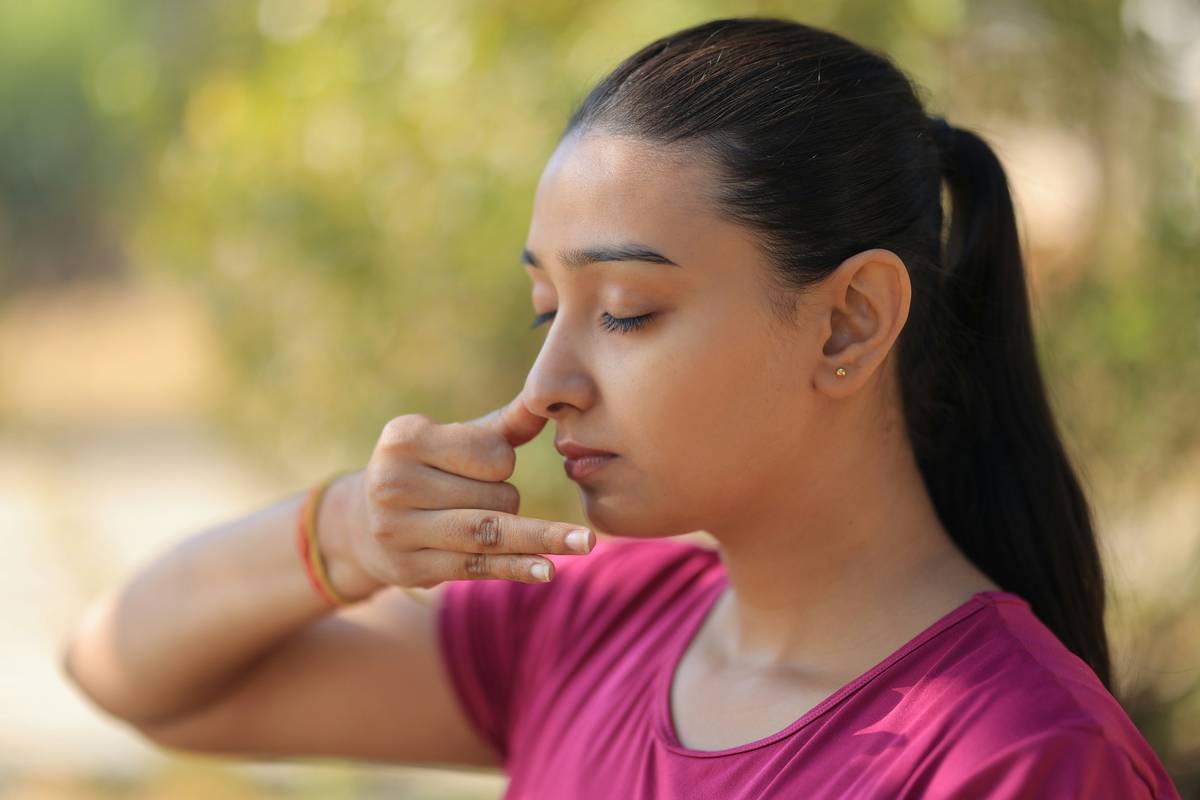
Step-by-Step Guide to Better Breathing
1. Switch to Nasal Breathing (Even During Light Exercise)
Your nose isn’t just for smelling coffee—it filters, humidifies, and releases nitric oxide, which dilates blood vessels and improves oxygen uptake. According to research from Stanford Medicine, nasal breathing during moderate activity increases oxygen absorption by up to 18% compared to mouth breathing.
2. Practice Diaphragmatic Breathing Daily
Lie on your back, place one hand on your chest and the other on your belly. Inhale slowly through your nose for 4 seconds—the lower hand should rise, not the upper. Exhale through pursed lips for 6 seconds. Do this for 5 minutes each morning. It activates the parasympathetic nervous system, lowering stress and curbing emotional eating.
3. Optimize Your Sleep Environment
Dust mites, mold, and VOCs from furniture degrade indoor air. Use an air purifier with a HEPA filter, keep humidity between 30–50%, and wash bedding weekly. The EPA confirms that indoor air can be 2–5 times more polluted than outdoor air—yet we spend 90% of our time inside.
Best Practices for Lasting Results
- Avoid the “Tape-Your-Mouth” Trend: While some influencers swear by nighttime mouth taping, it’s risky without medical guidance. If you have undiagnosed sleep apnea, this could worsen oxygen deprivation. Stick to positional therapy (sleeping on your side) instead.
- Hydrate Consistently: Dry mucous membranes impair nasal airflow. Aim for half your body weight (in pounds) in ounces of water daily.
- Check Your Posture: Slouching compresses your diaphragm. Set phone reminders to sit tall every hour—shoulders back, chin slightly tucked.
Real-World Results: What Changed?
A 2022 pilot study published in the Journal of Clinical Sleep Medicine tracked 30 overweight adults who practiced 10 minutes of diaphragmatic breathing nightly for eight weeks. Participants averaged a 12% reduction in resting heart rate, reported better sleep quality, and lost 3–5 lbs more than the control group—without changing diet or exercise. Why? Lower cortisol meant less insulin resistance and fewer late-night snack attacks.
One participant, Maria K., shared: “I used to wake up exhausted. After two weeks of focused breathing, I had energy by 7 a.m.—and stopped reaching for donuts at work.” Read more about how intentional breathing supports holistic health on our About Us page.
Frequently Asked Questions
Can improving airflow really help with weight loss?
Indirectly, yes. Better breathing lowers stress hormones like cortisol, which drive abdominal fat storage and sugar cravings. It also enhances sleep quality—a key factor in leptin and ghrelin regulation (the hunger hormones).
How long does it take to see results from breathing exercises?
Many notice calmer nerves and improved focus within 3–5 days. Metabolic and weight-related benefits typically emerge after 2–4 weeks of consistent practice.
Is mouth breathing always bad?
Not always—during high-intensity exercise, mouth breathing is natural. But chronic mouth breathing at rest or during sleep signals inefficient respiration and may contribute to inflammation.
Do I need special equipment to improve airflow?
No. Start with free techniques like box breathing (4-4-4-4 pattern). For environmental support, a $50 HEPA air purifier makes a big difference. Always review product safety on trusted sites like Consumer Reports.
What if I have asthma or allergies?
Consult your physician first. However, studies from the National Heart, Lung, and Blood Institute show that controlled breathing exercises can complement medical treatment by reducing attack frequency.
Conclusion
Breathing isn’t just automatic—it’s a skill. And like any skill, it gets better with mindful practice. By taking small steps to improve airflow, you’re not just oxygenating your cells; you’re dialing down stress, sharpening your focus, and creating the internal conditions where sustainable weight loss can thrive.
Ready to personalize your breathing journey? We’d love to hear your story. Contact us—and remember, every deep breath is a quiet rebellion against hurry. Oh, and we promise never to share your data; our full commitment lives in the Privacy Policy.
Breathe in courage,
Breathe out doubt.
Airflow restored—
Weight loss unlocked.